I spent 15 years being good at systems. I just didn't know why — or what it was costing me.
I'm Amanda Nelson — the Pythoness Programmer. Senior Full Stack Software Engineer, late-identified neurodivergent, chronic illness navigator. I built the reflection skills I now teach in the hardest stretch of my life so far.
Here's the version of my story that matters for why you're here.
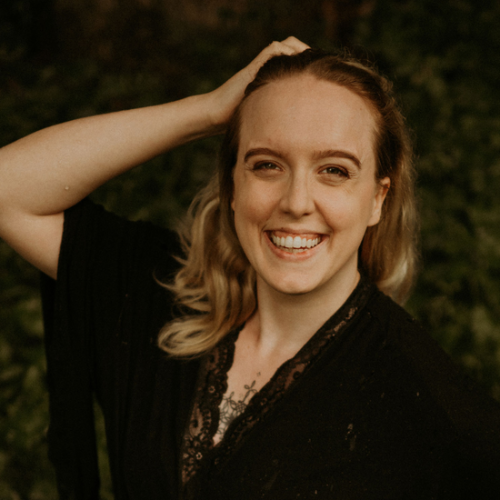
How I Got Here
Before code, I spent 15+ years in communications, customer service, and systems building — pattern recognition and detail orientation without the neurodivergent label yet.
In 2020 I enrolled in a pandemic-era bootcamp; by 2021 I was at Zappos.com with a new ADHD diagnosis, fibromyalgia and chronic migraines already in the picture, and a body that had been asking me to slow down for years. I was laid off in January 2023 — clarifying, painful, and the push into building Pythoness Programmer.
What helped wasn't another productivity system. It was community — late-identified neurodivergent adults naming patterns I'd blamed on myself, and voices explaining how tech and productivity systems were built for one kind of brain while everyone else was expected to adapt.
I'm near Richmond, Virginia. Watching confederate statues come down in 2020 and the BLM reckoning cracked open decolonization for me — looking honestly at inherited systems and stopping blaming myself for struggling inside them. That changed how I think about my tools. That's where the Pythoness Programmer comes from: reflection skills built in the hardest stretch, kept on purpose after I got through it.
How I Work
I work with decolonizing neurodivergents on what tech friction reveals — what you have internalized and what your brain actually needs.
Together we ask: What is this struggle trying to teach you?
- Reflect on patterns you keep repeating — and why they keep failing
- Uncover what you absorbed from ableist, productivity-obsessed tech culture
- Discover tools and frameworks that fit your brain
- Build understanding so you don't make it a third time
Sessions blend technical expertise, tarot bookends, and neurodivergent-centered reflection.
View sessions & bookWhy tarot, and the name
The best diagnostic tool isn't always a flowchart. Tarot surfaces what's already present and gives it a frame — bookends for reflection, not predictions. If that's not your thing, you're still welcome here.
The Pythia were oracles at crossroads — they demystified, they did not give orders. Tech complexity often makes people feel small; my job is clarity and reminding you your brain was never the problem.
My Core Values
Learning
Digital fluency, not dependency — your aha moments, not reliance on mine.
Resourcefulness
Hidden-gem tools and approaches mainstream advice skips.
Serenity
Calm sessions — no pressure, judgment, or false urgency.
Inclusion
Affirming space for LGBTQIA+ folks, sex workers, and anyone marginalized by mainstream tech culture.
Humor
Levity at systems that were never built for us — part of the work.
Resilience
Understanding that makes the next hurdle survivable — capacity, not just a patch.
You're looking for a guide who helps you understand your tech struggles, not just patch them.
Who This Is For
- A neurodivergent creative who keeps hitting the same workflow walls
- Someone newly diagnosed (or still figuring it out) revisiting old patterns
- A small business owner tired of tech that does not fit how you think
- Someone who has tried every productivity tool and wonders if the tools are the problem
Who This Isn't For
- People looking for emergency tech rescue
- Anyone who wants you to "just fix it" without understanding why it broke
- Folks who aren't interested in reflection or pattern work
Ready to Reflect?
Tired of repeating the same tech patterns? Let's understand what they're trying to teach you.